
Grief bursts
What are grief bursts?
Grief bursts (sometimes called grief attacks) are sudden, intense waves of grief. They can feel as though they come out of nowhere, or they may be linked to something specific—such as a memory, a place, or a special occasion.
Sometimes, they are triggered by the senses:
- A familiar smell
- A piece of music
- A photo or image
- A taste or touch
At other times, there may be no clear reason at all.
These moments can feel powerful and unexpected, but they are a common and natural part of grief.
How grief bursts can feel for children and young people
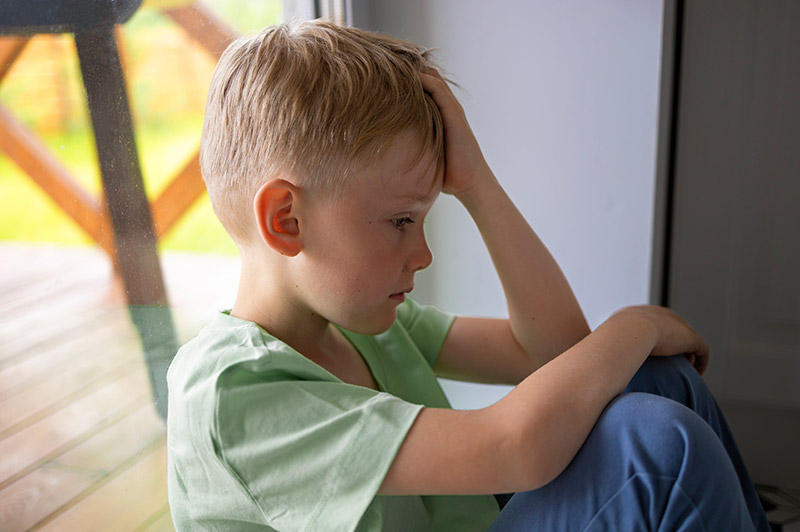
Grief bursts can feel frightening, especially for children and young people.
They may:
- Feel overwhelmed by the intensity of their emotions
- Worry that the feeling won’t stop
- Wonder if something is wrong with them
- Feel confused if it happens long after the death
You can gently reassure them that this is a normal response to loss.
Our memories are often closely connected to our senses and experiences. This is why certain moments—like birthdays, anniversaries, holidays, or important life events—can bring strong feelings to the surface.
How you can support your child
There are simple ways you can help your child feel safer and more able to cope when a grief burst happens.
You might:
- Reassure them that what they are feeling is normal
- Remind them that the feeling will pass, even if it feels strong
- Stay calm and present with them
- Encourage gentle coping strategies, such as breathing or holding a comforting object
If your child begins to notice patterns or triggers, you can plan together for those moments.
This might include:
- Having a few comforting items nearby
- Practising calming techniques in advance
- Thinking about what might help before, during, or after a difficult moment
When there is no clear trigger
Sometimes grief bursts happen without any obvious reason. This can feel confusing, but it is still a normal part of grief.
Grief bursts may continue for a long time, even into adulthood. Over time, many people find they become less intense or happen less often—but they may still come and go.
Understanding what grief bursts are can help children feel less afraid of them. Each time a child experiences one and comes through it, they are learning that they can cope. With time, support, and understanding, these moments often become easier to manage.
Some young people tell us that they can even find grief bursts reassuring. It reminds them of how much they loved the person who died, and that they haven’t forgotten them.
Useful resources
- How to manage big emotions film
- How to hack your brain film
- Emotional regulation article