• Young boy outside holding onto his father

What to expect

How children may respond at different ages

Children and young people experience grief differently at different ages and stages of development. Their understanding of death, and their ability to express feelings, grows over time. This means their reactions may change as they get older, and may not always look like adult grief.

Understanding what is typical for your child’s stage can help you make sense of their behaviour and feel more confident in how you support them.
0-5 years

Babies and toddlers (0–3 years)

Young children do not understand death, but they feel changes around them.

They may:

  • Become more unsettled, clingy, or tearful
  • Show changes in sleep or feeding
  • React to the emotions of the adults caring for them
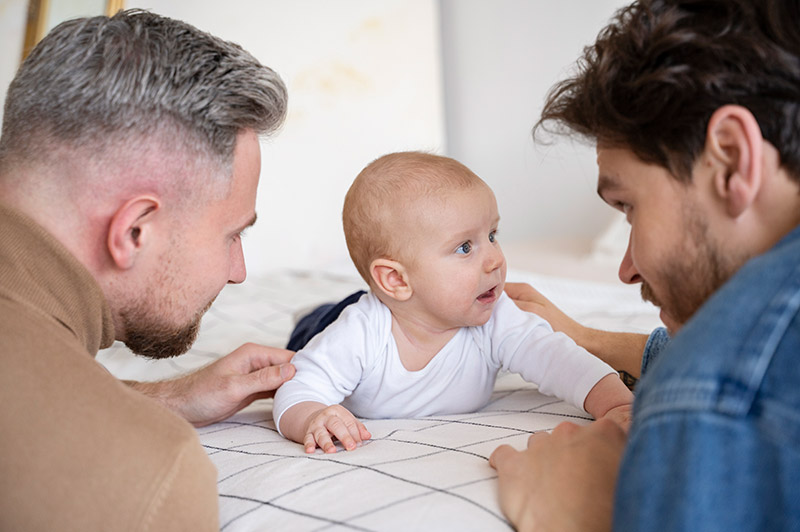
Two dads with their baby
Dad sat on the sofa with his arm around his son

Young children (3–5 years)

Children at this age may not understand that death is permanent. They might believe the person will come back.

They may:

  • Ask repeated questions about what has happened
  • Use play to express thoughts or feelings
  • Seem unaffected at times, then suddenly upset

6-12 years

Primary school age (6–11 years)

Children begin to understand that death is final, but may still find it hard to process.

They may:

  • Worry about their own safety or others dying
  • Feel sadness, anger, guilt, or confusion
  • Have difficulty concentrating at school
  • Show physical symptoms like tummy aches
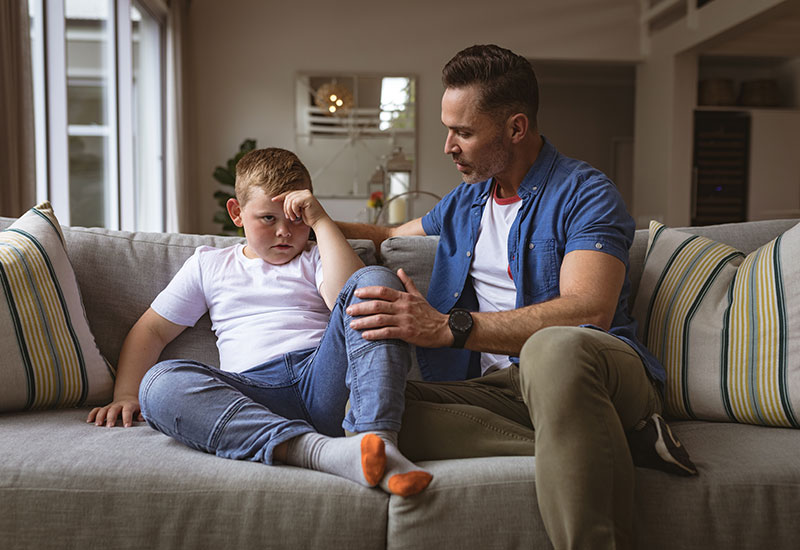
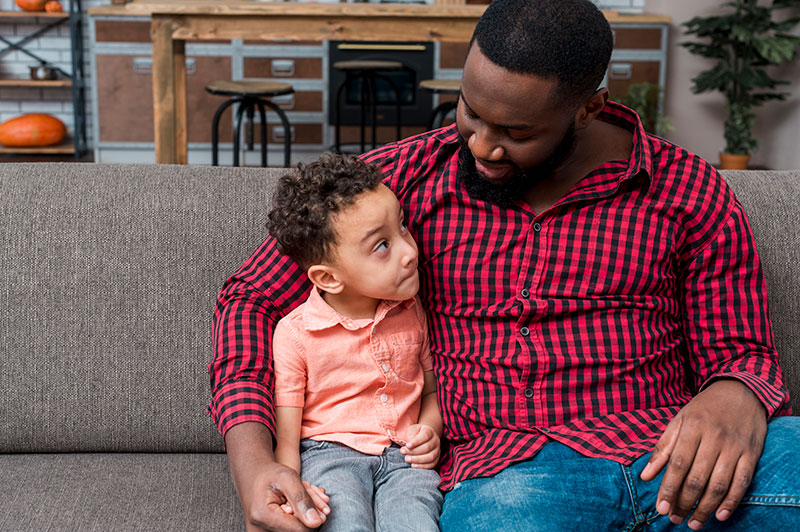
Dad talking to his upset son on the sofa

13-18 years

Mother talking with her daughter on the sofa

Teenagers (12+ years)

Teenagers understand death more like adults, but may struggle to express their feelings.

They may:

  • Withdraw or spend more time alone
  • Show strong emotions, or appear numb
  • Take on more responsibility, or resist support
  • Seek support from friends rather than family

A gentle reminder

Children’s grief is not always visible. They may return to everyday activities quickly, then revisit their grief later.

You do not need to have all the answers. Being present, listening, and offering reassurance can make a meaningful difference.

Father typing on laptop next to his young son

Request support

Request support from SeeSaw when someone has died.

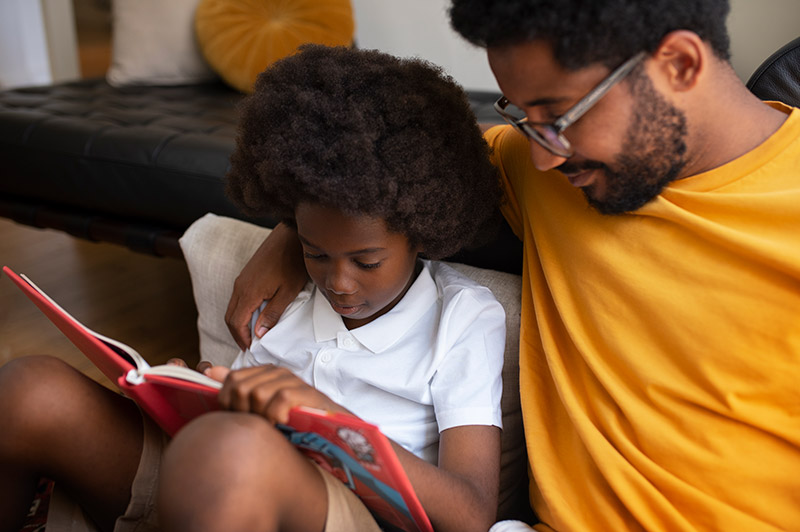
Young boy reading a book sitting next to his dad

Resources

Books and other resources to support children when someone has died.

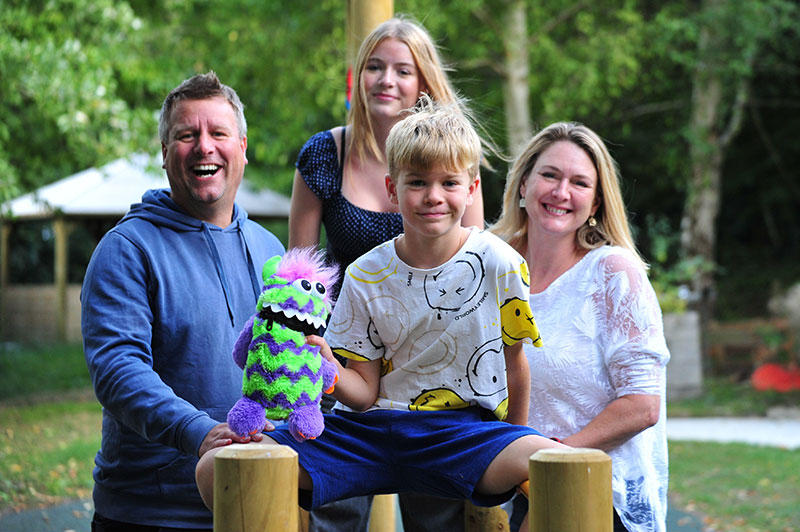
Family group photo

Stories from families

Read stories from families supported by Seesaw Grief Support.