• Mum in a wheelchair holding her son

What can help

Every child is different, but there are some ways you can support them at different ages and stages.

0-5 years

Babies (0–2 years)

Babies do not understand death, but they notice absence and changes in care.

It can help to:

  • Keep routines as familiar and consistent as possible
  • Limit changes in caregivers, especially at key times
  • Use familiar smells, sounds, and comfort objects
  • Offer physical comfort, such as holding or wrapping them in familiar clothing
Father holding his baby
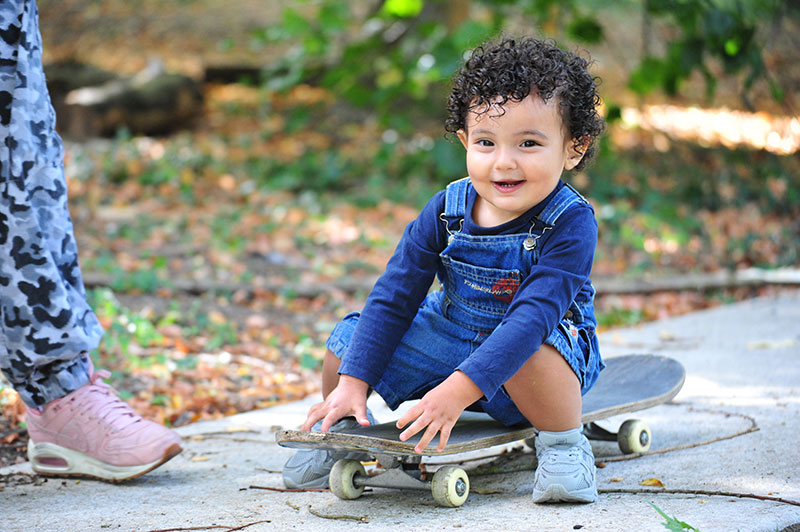
Toddler sat on a skateboard smiling

Toddlers (1–3 years)

Toddlers notice that someone is missing but do not understand what death means.

It can help to:

  • Offer lots of reassurance and physical comfort
  • Give simple, repeated explanations
  • Keep routines and boundaries consistent
  • Make time to play and relax together

Young children (3–5 years)

Children at this age may use language about death but not fully understand that it is permanent.

It can help to:

  • Give clear, simple explanations and repeat them as needed
  • Encourage others to use the same language
  • Talk about the person who has died using stories and photos
  • Stay physically and emotionally available where possible
  • Maintain routines and boundaries
  • Involve them in goodbye rituals, including funerals if appropriate
  • Make time for play and connection
Mum and son playing with building blocks

6-12 years

Young boy with his arms around his mum

Children aged 6–9 years

Children begin to understand more about death but may still feel confused or overwhelmed.

It can help to:

  • Maintain regular routines
  • Answer questions honestly and simply
  • Support them to name and express feelings
  • Use gentle prompts like:

“I wonder if you are feeling…”

  • Model your own emotions in a safe way
  • Offer reassurance and affection
  • Encourage normal activities and time for fun
  • Validate their feelings

Children aged 9–12 years

By this age, children usually understand that death is final. This can bring deeper emotions and worries.

It can help to:

  • Continue with routines and clear boundaries
  • Be honest and open in your answers
  • Normalise their grief reactions
  • Be available to listen
  • Talk about the person who has died
  • Model healthy expression of emotions
  • Encourage everyday activities and connection
  • Involve them in decisions about rituals or funerals if they wish
Dad sat with his daughter

13-18 years

Adolescence is already a time of change. When someone important dies, it can bring a complex mix of emotions and behaviours. Teenagers understand that death is final. They may also grieve for future moments where the person will be missing.


What can help

  • Validation

    • Reassure them that all feelings are valid
    • Remind them there is no “right” way to grieve
    • Support them to grieve in their own way
  • Honesty

    • Be truthful about what has happened, in a way they can understand
    • Allow time and space for questions
    • Honest communication builds trust and reduces imagined fears
  • Communication

    • Respect if they don’t want to talk straight away
    • Let them know you are there when they are ready
    • Listen without interrupting or trying to “fix” things
    • Support them to talk to another trusted adult if needed
Teenage boy being comforted by his dad
Teenage girl sat holding her knees
  • Choice and control

    • Offer appropriate choices where possible
    • Involve them in decisions about rituals or important events
    • Avoid making assumptions about what they want
  • Expectations and boundaries

    • Keep clear and consistent boundaries
    • This helps young people feel safe and secure
    • Be understanding of difficulties with concentration or organisation
    • Work with school staff where needed
  • Modelling grief and self-care

    • Let them see your feelings, alongside coping with daily life
    • Encourage self-care and routine
    • Support activities such as sport or creative outlets

    You may also wish to access support from organisations such as Cruse Bereavement Support if needed.

  • Self-regulation

    • Help them find ways to manage strong emotions
    • Strategies such as breathing, movement, or creative expression can help
    • These skills support both immediate coping and long-term resilience
  • Memory and connection

    • Encourage ways to remember the person who has died
    • Sharing memories can help maintain a sense of connection
    • Creative activities and memory-making can be especially helpful
Father typing on laptop next to his young son

Request support

Request support from SeeSaw when someone has died.
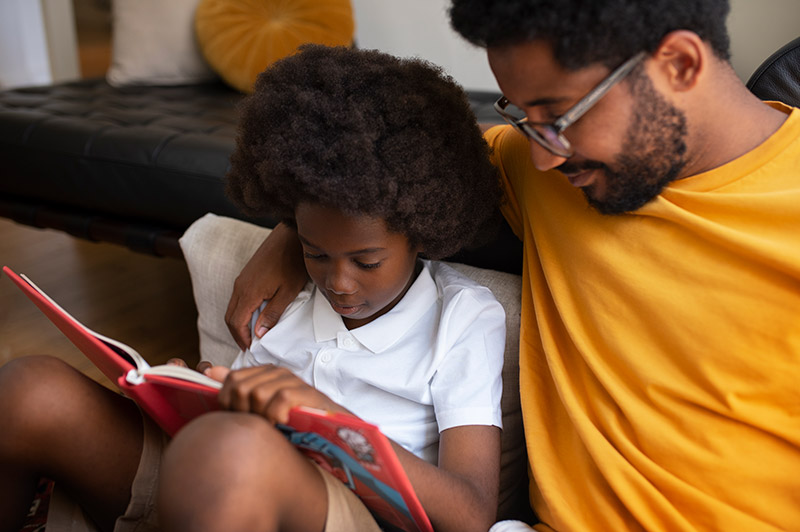
Young boy reading a book sitting next to his dad

Resources

Books and other resources to support children when someone has died.
Family group photo

Stories from families

Read stories from families supported by Seesaw Grief Support.