
How to talk together as a family after someone has died
Simple, gentle ways to share feelings, memories, and support
Why talking together matters
When someone important has died, every member of the family is affected. Open and honest communication can help children and young people feel less alone in their grief. Children who are able to talk and grieve alongside a parent or carer often find it easier to adjust than those who feel they have to cope on their own.
Talking together can:
- Help family members feel understood
- Reduce misunderstandings about behaviour
- Make it easier to offer and receive support
- Show children that feelings are safe to share
Everyone will grieve in their own way—even within the same family. Different feelings, at different times, are completely natural.
Why talking can feel difficult
Many families find it hard to know when, how, or how much to talk. It is common to try to protect one another by holding things in.
For example:
- Parents may avoid sharing details to protect their child
- Children may hide their feelings to avoid upsetting adults
- Families may stop mentioning the person who has died
If this feels familiar, you are not alone. These responses are a natural part of grief. Communication can begin again in small, gentle ways.
Gentle ways to start conversations
There is no single “right” way to talk about grief. Often, the most meaningful moments happen naturally in everyday life.
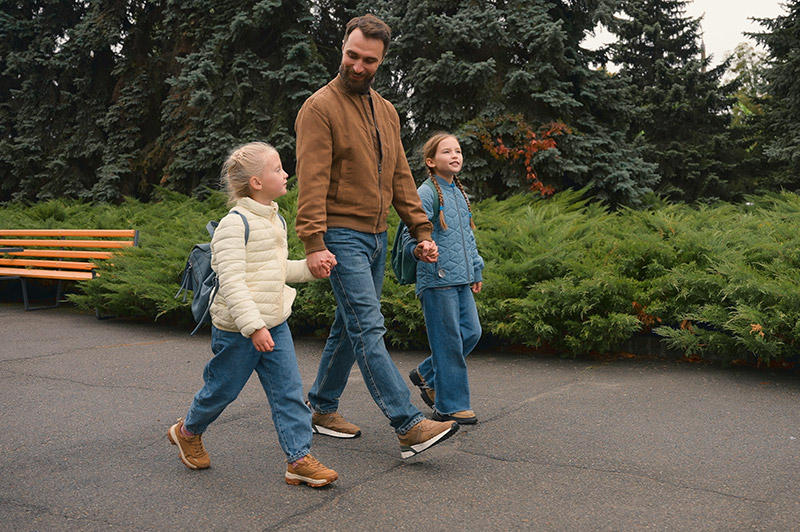
Talk side by side
Children often find it easier to talk when they are doing something else. You might talk while:
- Walking
- Driving
- Cooking
- Sitting together before bed
These moments can feel less intense than face-to-face conversations.
Notice and respond to moments
Children may mention the person who has died when something reminds them—a song, a place, or a memory. These are gentle opportunities to connect.
You might respond with:
- “That sounds like a special memory.”
- “What did you love most about that?”
- “How does it feel thinking about that today?”
Even short conversations can help your child feel heard.
Make space for all feelings
Children may experience a wide range of emotions, including:
- Sadness
- Anger
- Worry or fear
- Relief
- Moments of happiness
All of these feelings are valid.
Helping children name their feelings can support them in understanding and expressing what they are going through.
Validate, rather than fix
Children often need to feel heard more than they need solutions.
You might say:
- “It sounds like you’re really missing Mum today.”
- “You seem angry—is that right?”
- “That makes sense. This is really hard.”
Gently acknowledging feelings can help children feel safer and more understood.
Activities that can help
Some children find it easier to express themselves through activities rather than words. These don’t need to be perfect—they simply create space for connection.
A shared “graffiti wall”
- Place a large sheet of paper somewhere visible
- Add sections such as “memories”, “feelings”, or “hard days”
- Invite family members to draw, write, or add images
This helps show that it is okay to talk about the person who has died.
A family flag
Create something together that represents your family and your shared journey.
You might:
- Choose colours that feel meaningful
- Add symbols, drawings, or words
- Include memories or messages
Displaying it can be a gentle reminder of connection and love.
A grief puzzle
This activity helps show that everyone’s grief is different.
- Cut paper into puzzle pieces
- Give each person a piece
- Use prompts such as:
- “If grief was a colour…”
- “If grief was a sound…”
- Decorate each piece
When you put the puzzle together, it shows that although everyone’s experience is unique, you are still connected.
Memory bracelets
Some children find comfort in having something to hold or wear.
You could:
- Choose beads that remind you of the person
- Use colours or symbols that feel meaningful
- Share memories while making them
Wearing the bracelet can help children feel connected in everyday moments.
A gentle reminder
Talking together does not mean talking all the time. It means creating a home where:
- Feelings are welcome
- Memories can be shared
- Silence is respected
- No one has to cope alone
Some days will feel easier than others and small conversations, gentle moments, and shared memories can make a meaningful difference over time.