
• A mother sat comforting her daughter

Sudden/accidental death

Breaking this news can understandably feel very difficult and it is natural for adults to want to protect children from the truth. However, with the right support, children are often able to cope with the truth of what has happened very well. In cases where there is likely to be a lot of attention on the death, it is easy for children to overhear what happened from other people which can cause difficulties if this does not match up with what they have been told by a trusted adult.

It can be helpful to break the news in small sections. For some children you may cover all of these sections in one go, for others it may be more spread out. We have set these out below.
Explaining a sudden/accidental death

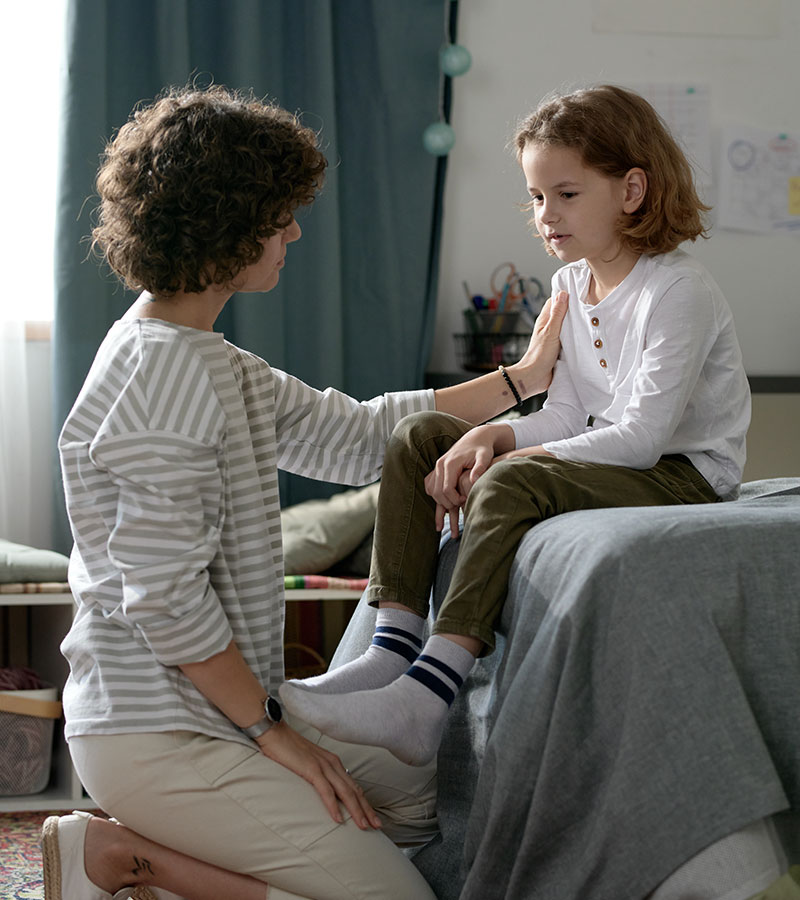
A mother talking to her child sitting on their bed

Explaining that someone has died

If possible, tell a child that someone has died in a place where they feel safe and comfortable. Older children and young people may also benefit from having a quiet space nearby where they can go afterwards if they need some time alone.

Try to use clear and honest language such as “died” or “dead”. Euphemisms such as “gone to sleep” or “gone away” can sometimes cause confusion or anxiety for children.

Start with simple information. You do not need to explain everything at once. For example:

“I have some very sad news. Mummy died last night.”

If a child may already have heard information from others, it can help to ask what they understand has happened so you can gently correct misunderstandings.

Giving simple details

Children and young people often need simple factual information to help them begin to make sense of what has happened. Honest, age-appropriate details can help reduce confusion and uncertainty.

For example:

“Tyler died in his car.”

“Daddy died outside the train station.”

Father sat on the grass holding and talking to his young son
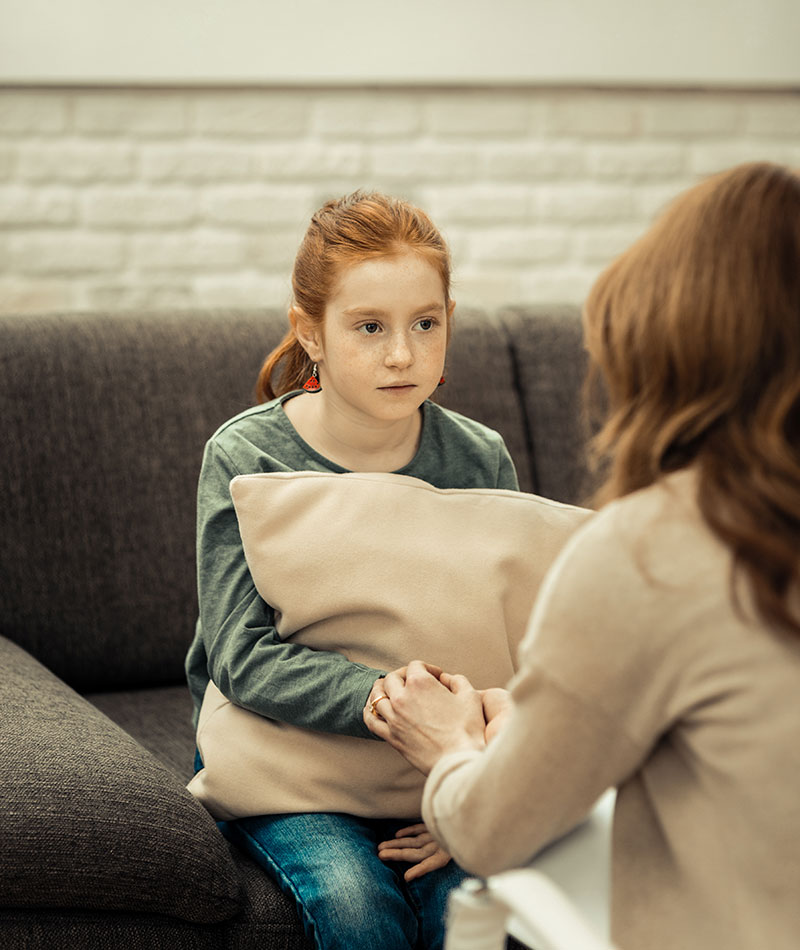
Mother talking to her daughter holding a pillow sitting on the sofa

Explaining how someone died

Honest explanations can help children process what has happened and stop them imagining something more frightening. However, it is important to use language that matches a child’s age and understanding.

For younger children, simpler and less graphic words are often easier to process. Reassurance can also help children feel safer.

For example:

“Mummy was driving her car when another car crashed into hers. The doctors tried to help her, but her body was too badly hurt and she died.”

“Sam slipped and fell while walking in the countryside. His injuries were very serious and he died. We will always love him and remember him.”

After explaining what has happened, it can help to gently check what the child has understood and give them opportunities to ask questions. Younger children may need information repeated many times as they gradually make sense of what has happened.

Answering questions

Encourage children and young people to ask questions throughout conversations about death and grief. Their questions can help you understand what they are ready to hear and what information they need.

Try to answer honestly, using simple language that is appropriate for their age and understanding. It is okay to say that you do not know the answer, or that you need some time before talking about something difficult. If you plan to come back to a question later, reassure the child that you will talk again soon.

Father talking to his teenage son

Common thoughts and feelings

  • Shock and disbelief

    An accidental death is sudden and unexpected, which can make it difficult for children and adults to fully process what has happened. Feelings of numbness and disbelief are common, especially in the early days.

  • Guilt

    Children and adults may wonder whether something could have been done differently to prevent the death. Children may worry that something they said, thought or did caused what happened. Reassure them regularly that the death was not their fault and that nothing they did could have changed what happened.

  • Fear

    After an accidental death, the world can feel less safe and predictable. Children and young people may become more worried about everyday activities or fear that something bad could happen again.

  • Blame

    Families may experience feelings of anger or blame, particularly if another person was involved in the accident. These feelings are a common part of grief and shock.

Additional challenges after an accidental death

  • Media attention

    Some accidental deaths may receive attention from local or national media. Families can sometimes unexpectedly see stories or comments online or be approached by journalists, which can feel distressing and overwhelming.

  • Investigations and inquests

    An investigation or inquest may take place after an accidental death. While this process can help provide answers, it may also feel stressful and emotionally exhausting for families.

  • Social media

    Information shared online is not always accurate and can sometimes increase distress for families and young people. It can help to monitor what children are seeing online and create opportunities for open conversations about misinformation or upsetting content.

  • When a child witnessed or was involved in the accident

    Children who witnessed or were involved in an accident may be responding both to grief and to trauma. Reactions may appear immediately or develop over time. Some children may need specialist support to help them process what they have experienced.

    Common reactions can include:

    • sleep difficulties
    • increased anxiety or fear
    • separation anxiety
    • changes in appetite
    • becoming more emotional or irritable
    • physical symptoms such as headaches or tummy aches
    • regression in younger children
    • flashbacks or intrusive memories
    • replaying the event through play or drawings

What can help

A mother with a hand on the shoulder of her teenage daughter

Reassurance

Children and young people may need repeated reassurance that they are safe, loved and cared for. It is also important to remind them that accidents are rare and that nothing they did caused or could have prevented what happened.

Managing your own anxiety

Children are highly aware of the emotions of the adults around them. Finding support for your own grief and anxiety can help you provide calm reassurance and stability for your child.

A man sitting in a chair looking anxious
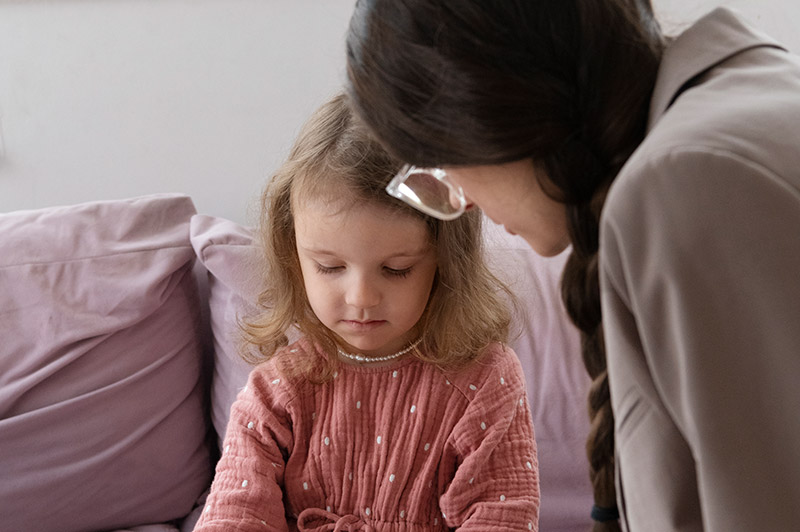
Mother talking to their young daughter

Encourage expression of feelings

Children and young people may express grief in many different ways. Creative activities, journalling, sensory play and emotion-based activities can help them explore and communicate their feelings safely.

You can find ideas and activities in our Resources section and practical emotional regulation strategies on our blog.

Encourage normality and fun

Children naturally move in and out of grief. One moment they may feel deeply sad, and the next they may want to play, laugh or spend time with friends. This is a healthy and important part of childhood grief.

Continuing with routines, activities and opportunities for fun can help children feel safe and supported.

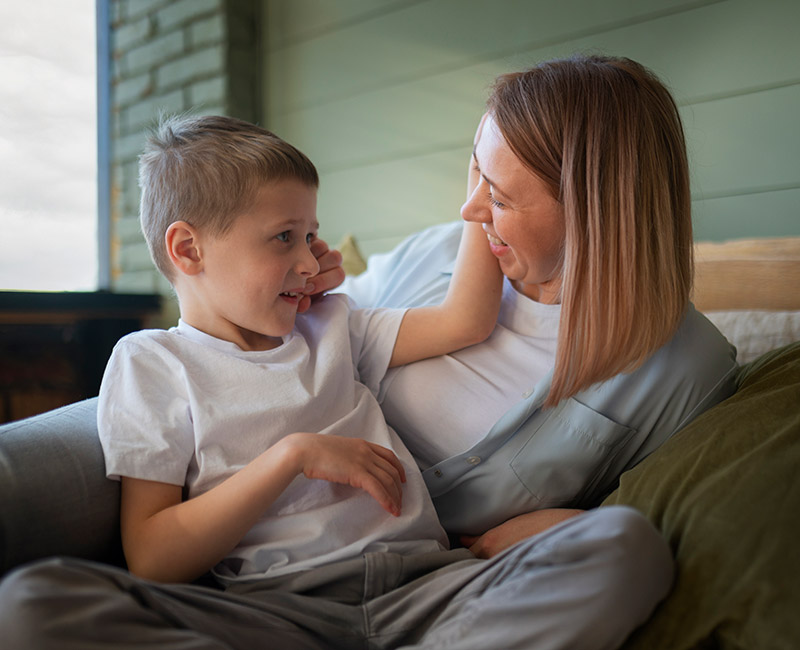
Mother smiling with her son
Teenage boy looking serious

Remind them it is okay to talk

Children sometimes avoid sharing worries or feelings because they know adults are grieving too. Regularly remind them that they can talk openly about anything that is on their mind.

Model open and honest grief

Children learn how to respond to difficult situations by watching the adults around them. It is okay for children to see sadness and grief, as this helps them understand that emotions can be expressed safely and honestly.

When showing emotion, it can help to explain it clearly and offer reassurance. For example:

“I am crying because I miss Daddy and feel sad. It is not because of anything you have done.”

Open conversations about feelings can help children and young people feel safer sharing their own emotions and asking for support when they need it.

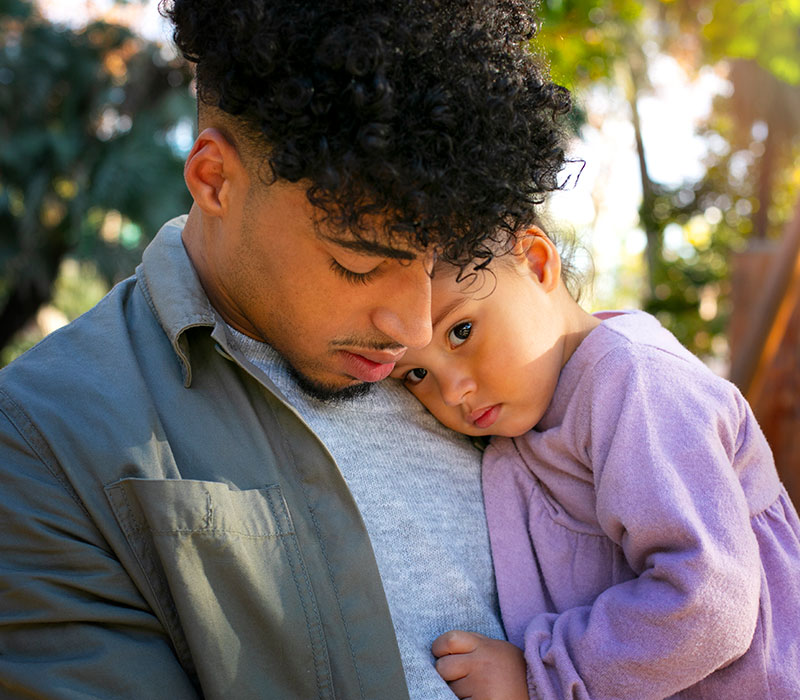
Father cuddling his young daughter
Father typing on laptop next to his young son

Request support

Request support from SeeSaw after a sudden/accidental death.

Young boy reading a book sitting next to his dad

Resources

Books and other resources to support children when someone has died.

Family group photo

Stories from families

Read stories from families supported by Seesaw Grief Support.